A well-maintained landscape is not just about aesthetics; it involves ensuring that the drainage system functions effectively. Proper drainage prevents water from pooling in your yard, protects your property from erosion, and ensures that plants receive the right amount of moisture without becoming waterlogged. Yet, many property owners overlook the critical role of a maintenance schedule tailored for their landscape's drainage needs.
Understanding how to develop this schedule requires an overview of various drainage systems, their specific requirements, and how to assess your landscape’s unique conditions.
Understanding Drainage Systems
Drainage systems can be broadly categorized into surface and subsurface solutions. Surface drainage includes systems like channel drains and trench drain systems, which manage water runoff on the ground. Subsurface drainage involves pipes buried underground that redirect excess water away from critical areas.
Types of Drainage Solutions
Channel Drains: These are effective for directing surface water away from driveways or patios where pooling might occur.
Trench Drain Systems: Deeper than channel drains, these are often used in commercial settings but can also be beneficial in residential landscapes prone to significant runoff.
French Drains: A popular subsurface solution, French drains consist of a perforated pipe surrounded by gravel that collects and diverts groundwater away from foundations.
Downspout Drainage Solutions: These systems capture rainwater directly from gutters and direct it away from the home’s foundation, preventing basement flooding.
Storm Water Drainage Systems: Designed to handle larger volumes of rainwater, these comprehensive systems are often required in urban settings to manage runoff effectively.
Each type has its own installation requirements and maintenance needs. Understanding these differences is crucial for creating an effective maintenance schedule.
Assessing Your Landscape
Before developing a maintenance schedule, assess your landscape's current drainage situation. Walk around your property after a rainfall to identify problem areas where water tends to pool or flow improperly. Take note of any erosion on slopes or around foundations as well as areas where vegetation appears unhealthy due to excess moisture.
Factors such as soil type, topography, and existing landscaping will influence how water moves on your property. For example, sandy soils drain quickly while clay soils retain moisture longer. If your property has significant slope variations, you may need more complex grading solutions to ensure proper drainage throughout.
Creating a Maintenance Schedule
A thorough maintenance schedule should address both regular inspections and proactive measures to prevent future issues. Here’s a framework you can adapt based on your specific landscape:
Seasonal Inspections
Conduct inspections at the beginning of each season—spring, summer, fall, and winter—to assess the condition of all drainage components:
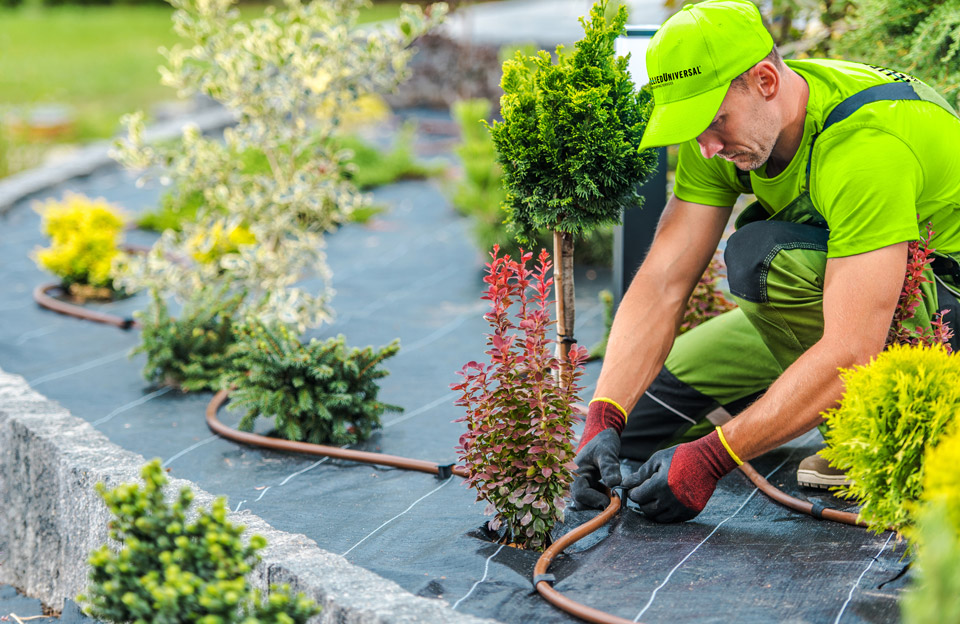
- Spring: After winter thawing and snowmelt, inspect French drains for blockages caused by debris accumulation over the winter months. Summer: During dry periods, check that downspouts are directing water properly. Ensure that no blockages have occurred due to fallen leaves or other debris. Fall: As leaves begin to fall, clear gutters and downspouts regularly to prevent clogging before winter rains arrive. Winter: Inspect trench drains if applicable for ice build-up which can obstruct flow during thaw cycles.
Routine Maintenance Tasks
In addition to seasonal inspections, establish routine tasks such as cleaning out leaves and debris from grates or channels every few weeks during peak seasons like spring and fall when leaf litter is most prevalent. This not only promotes efficient water flow but also extends the lifespan of your drainage systems.
Professional Evaluations
Every few years or after significant storms or flooding events, consider hiring professionals for comprehensive evaluations of your drainage systems. They can perform advanced diagnostics such as camera inspections within pipes or detailed grading assessments that may not be easily https://springfieldlandscapingservices.com/blog/ visible during routine checks.
Impact of Grading on Drainage Systems
Grading plays a pivotal role in effective landscape drainage management. Proper grading directs water flow away from structures while promoting adequate absorption into the ground where appropriate.
Importance of Yard Grading
When establishing grading services for new landscapes or renovating existing ones:
Ensure slopes direct water away from foundations. Create swales or depressions where necessary to capture excess runoff without harming vegetation. Avoid creating flat areas which can lead to pooling. Regularly maintain grades by re-evaluating after heavy rains since erosion can change contours over time. Consider installing additional features like rain gardens if certain areas consistently experience standing water.These practices help mitigate potential damage caused by improper drainage while enhancing overall landscape health.
Addressing Common Issues
Certain common problems arise frequently with landscape drainage systems:
- Clogged Drains: Regularly monitor for clogs caused by sediment build-up or organic material accumulation within pipes or channels. Poor Water Flow: Identify sections with inadequate slope; this may require re-grading sections of your yard to ensure proper flow towards designated discharge points. Erosion Control: Use vegetation strategically along slopes; deep-rooted plants help stabilize soil while allowing adequate moisture penetration without excessive runoff.
By proactively addressing these issues with regular maintenance checks integrated into your schedule, you can significantly reduce long-term costs associated with severe damage repair linked to poor drainage practices.
Conclusion
Developing an effective maintenance schedule tailored specifically for your landscape's drainage needs is essential for preserving both functionality and beauty across outdoor spaces year-round. By understanding different types of drainage solutions available alongside necessary grading services required within unique environmental contexts—property owners can cultivate resilient landscapes capable of weathering nature’s challenges over time without compromising aesthetic appeal or structural integrity beneath their feet.
Through consistent care—including seasonal inspections complemented by routine cleaning tasks—drainage issues may be anticipated rather than reacted upon post-factum thereby reducing risks associated with flooding damage while enhancing natural ecological balance across diverse habitats found within residential properties today!